
Unleash Your Pedalling Power: Strategic Strength for the South African Cyclist
Elevate your cycling performance with science-backed strength training. Learn how targeted leg work enhances power, endurance, and prevents injury for South…

The hum of a well-oiled chain, the burn in the quads on a steep climb, the exhilarating rush of speed – these are the hallmarks of cycling. While countless hours on the saddle undeniably build endurance, many cyclists, from weekend warriors to elite competitors, overlook a critical component of peak performance: dedicated strength training. "Sports Science SA" delves into why robust leg strength, developed off the bike, is not just supplementary but foundational for unlocking true pedalling power, injury resilience, and sustained performance on South Africa's diverse terrains.
For too long, the belief persisted that cycling itself provides all the necessary leg strength. Science, however, tells a different story. Targeted resistance training significantly enhances:
- Power Output: Stronger muscles can generate more force per pedal stroke, crucial for sprints, climbs, and maintaining speed. This translates to higher Watts and faster times.
- Endurance & Fatigue Resistance: By improving muscular strength and efficiency, the body can sustain higher power outputs for longer, delaying the onset of fatigue.
- Injury Prevention: Strengthening supporting musculature around the joints (knees, hips, lower back) stabilises the body, correcting imbalances and reducing the risk of common cycling-related injuries.
- Bone Density: Unlike weight-bearing activities, cycling is non-impact. Strength training introduces beneficial stress to bones, improving density – a vital consideration for long-term athlete health.
The Science of Optimal Leg Power
Achieving maximal force transfer through the pedals requires more than just big quads. A balanced approach targets the entire kinetic chain: glutes, hamstrings, quads, and calves, alongside core stability. A structured, progressive strength programme, typically incorporating two dedicated gym sessions per week, has shown to yield significant benefits over an 8-week cycle and beyond. This approach moves from foundational strength to power development, ensuring muscles are robust enough to withstand the demands of intense riding.Crafting Your Strength Programme: Key Principles
A progressive programme for cyclists should prioritise compound, multi-joint movements that mimic pedalling mechanics or build foundational strength.- Foundational Phase (Weeks 1-4): Focus on mastering movement patterns with moderate loads and higher repetitions (e.g., 3 sets of 8-12 reps). Exercises like squats (back, front, or goblet), deadlifts (conventional or Romanian), lunges (walking, reverse), and step-ups are excellent.
- Strength & Power Phase (Weeks 5-8+): Gradually increase load and decrease repetitions (e.g., 3-5 sets of 3-6 reps) to build maximal strength. Incorporate plyometric exercises like box jumps or broad jumps to translate strength into explosive power. Always ensure adequate recovery between sessions.
A typical two-day split might involve:
- Day 1 (Heavy Legs & Push): Squats, Romanian Deadlifts, Overhead Press, Glute Bridges.
- Day 2 (Explosive Legs & Pull): Lunges, Step-Ups, Rows, Calf Raises, Box Jumps.
Core work should be integrated into both sessions.
The South Africa Angle
South Africa’s diverse cycling landscape—from the relentless climbs of the Cape Epic to the fast flats of the 94.7, and the challenging technical trails across our provinces—demands a comprehensive approach to training. Our athletes, both professional and amateur, regularly face conditions that test not just aerobic capacity but also raw muscular strength and resilience. Integrating a science-backed strength programme ensures local cyclists are better equipped to:- Conquer our iconic climbs: Stronger legs mean more efficient power transfer on gradients like Franschhoek Pass or Chapman's Peak Drive.
- Master varied terrains: Explosive power is vital for navigating technical singletrack or punching through headwinds on open roads.
- Endure multi-stage events: Sustained strength throughout events like the Cape Epic or Trans Baviaans reduces fatigue and injury risk over consecutive demanding days.
- Optimise local talent: Providing young South African cyclists with a robust physical foundation will be key to developing future champions capable of competing globally.
By strategically building strength off the bike, South African cyclists can elevate their performance, mitigate injury risks, and truly unleash their full potential on any road or trail our beautiful country has to offer.
Source: Google News: endurance training science

Beyond the Ballot: Unpacking the Science Behind Women's Football Superstars
Explore the sports science behind the world's top female footballers. Learn what drives their elite performance, from physiology to psychology. Insights for SA

Beyond the Burn: The Smart Strength Strategy for SA Endurance
Discover how sub-maximal strength training can revolutionise performance for South African endurance athletes. Avoid fatigue, boost power, and dominate events…

From Academia to Action: The Rise of Tactical Performance Science
Discover how exercise science is revolutionising tactical strength training for military, first responders, and athletes in South Africa, enhancing resilience…

FIFPRO World 11: Unpacking the Science of Sustained Excellence
Unpack the science behind elite football performance from the FIFPRO Women's World 11. Insights for SA athletes, coaches, and physios on consistency…

Alisson's Anfield Ambition: A Masterclass in Sustained Elite Performance
Explore Liverpool's Alisson Becker's mindset for sustained elite performance. Learn how intrinsic motivation and consistency drive top athletes, with South…
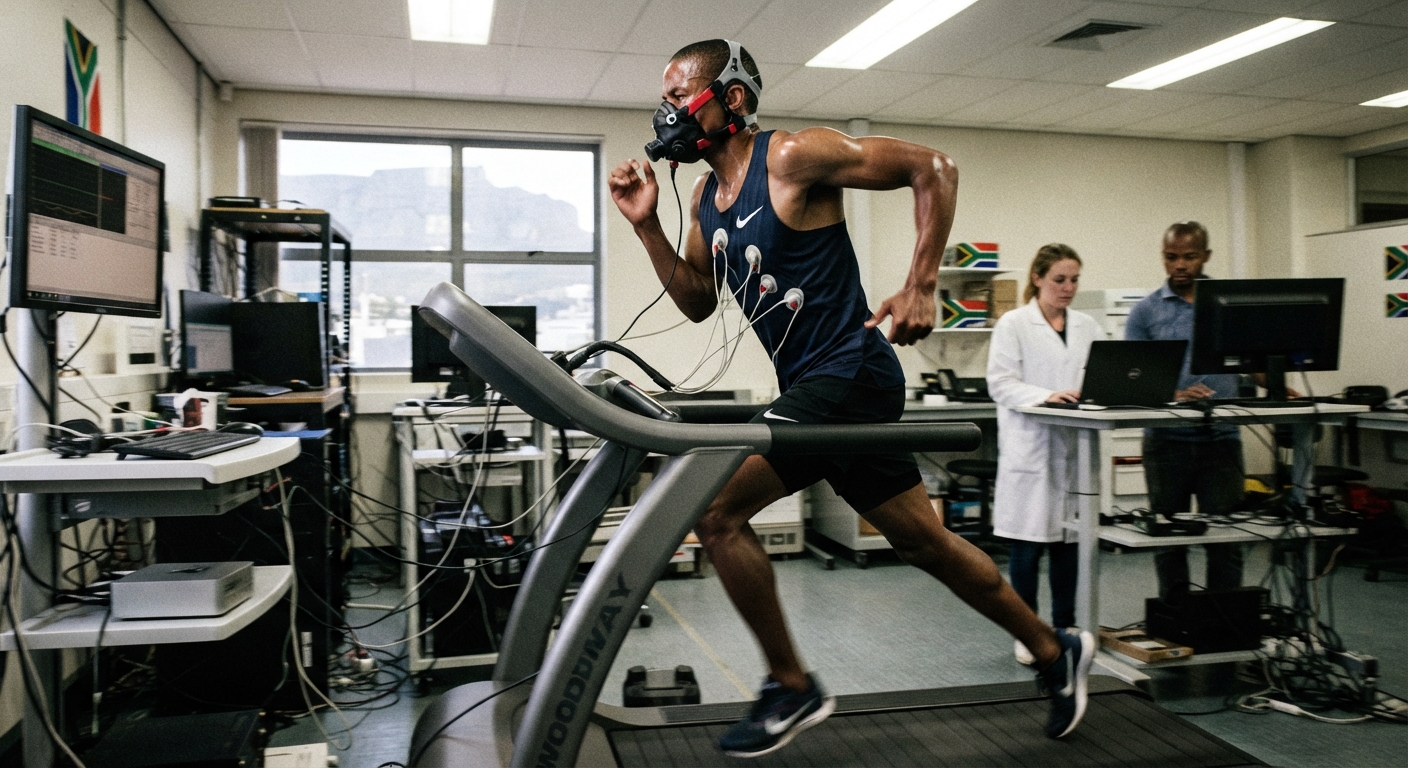
Forge Your Edge: Hypoxic Sprint Training Unlocks Next-Level Endurance
Discover how repeated-sprint training in hypoxia can elevate sprint endurance and performance. A game-changer for SA athletes, coaches & physios.
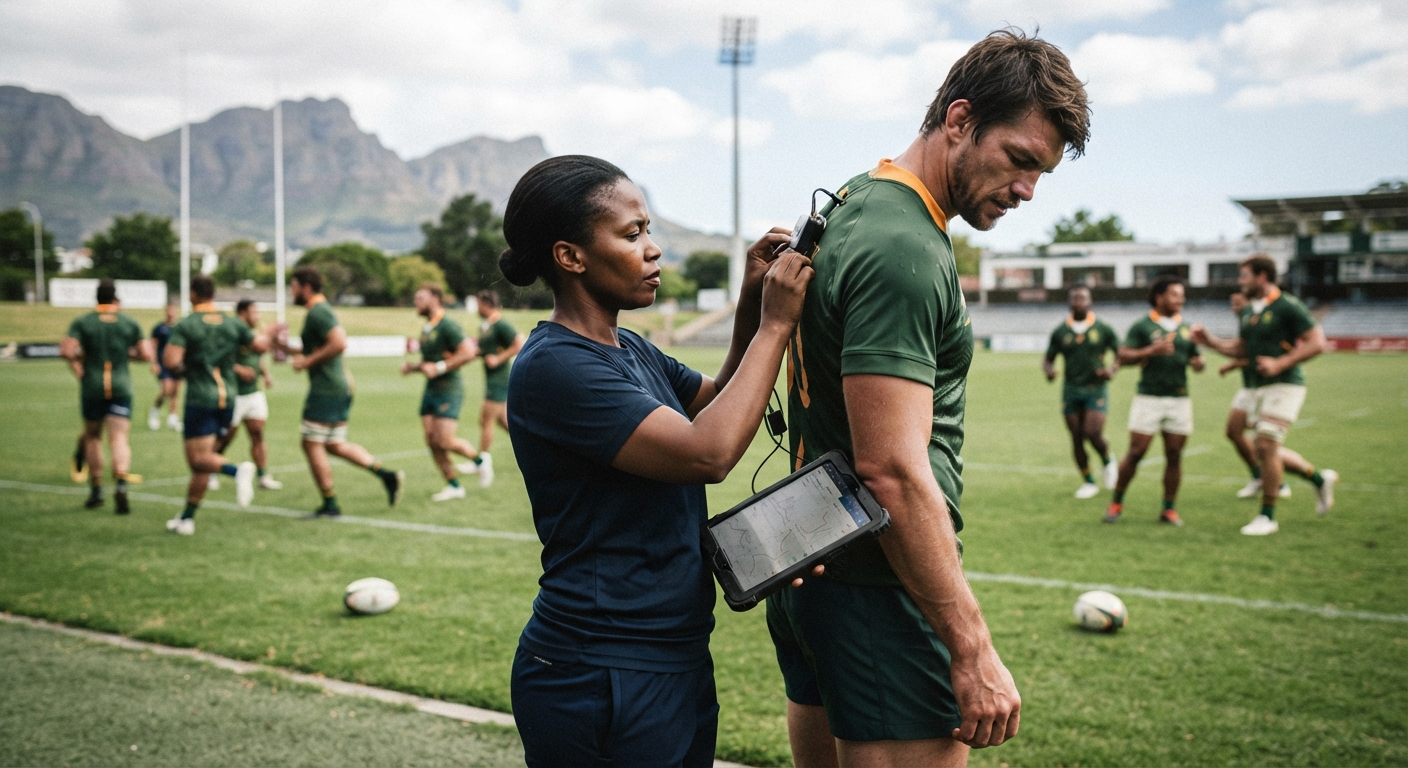
Igniting the Gees: The Science Behind Rugby's Visible Team Energy
Explore the science of visible team energy and its impact on performance in rugby. Learn how coaches cultivate cohesion and intent, and why it matters for…