
From Academia to Action: The Rise of Tactical Performance Science
Discover how exercise science is revolutionising tactical strength training for military, first responders, and athletes in South Africa, enhancing resilience…

The landscape of high-performance training is constantly evolving, pushing the boundaries of what athletes and professionals can achieve. A significant, yet often understated, frontier lies in tactical strength and conditioning – a specialised field where exercise science principles are applied to elevate the readiness and resilience of those operating in demanding, high-stakes environments. Once a niche pursuit, this discipline is now gaining traction, spearheaded by exercise science graduates who are bridging the gap between theoretical knowledge and real-world operational demands.
Beyond Traditional Sports: Defining Tactical Fitness
Unlike traditional sports training that often focuses on peak performance for a specific event, tactical strength training prioritises sustained functionality, injury prevention, and readiness under duress. It's about building a robust, adaptable human machine capable of enduring prolonged physical and mental stress. Think firefighters hauling heavy equipment, police officers requiring explosive power and endurance, or military personnel navigating complex terrains with heavy loads. The training isn't just about lifting heavy; it's about movement efficiency, physiological resilience, and cognitive fitness under fatigue.
Experts in this field, often graduates with degrees in exercise science or biokinetics, leverage deep understanding of biomechanics, physiology, and motor control. They design programmes that incorporate periodisation, progressive overload, and specific energy system development tailored to the unique demands of tactical roles. This includes developing strength for carrying, endurance for sustained operations, power for explosive movements, and mobility to prevent injury in unpredictable situations.
The South Africa Angle
For our audience in South Africa – athletes, coaches, physios, and serious amateurs – the insights from tactical strength training are profoundly relevant. Our nation faces unique challenges, and the demands on our police, military, and private security personnel are immense. Equipping these professionals with science-backed conditioning not only enhances their operational effectiveness but significantly reduces the risk of career-ending injuries, a critical concern given the physical rigours of their roles.
Furthermore, the principles of tactical conditioning offer invaluable lessons for South African athletes in high-impact or endurance-based sports like rugby, trail running, or ultra-marathons. The focus on robust injury prevention, functional strength, and mental resilience under fatigue is directly transferable. Coaches can integrate these methodologies to build more durable, adaptable athletes, while physios can draw on them for targeted rehabilitation and pre-habilitation strategies. Even serious amateurs can benefit from a training philosophy that prioritises long-term health and performance over short-term gains, ensuring they can tackle the country's challenging sporting events with greater confidence and physical integrity.
By embracing the insights from tactical performance science, South Africa can cultivate a new generation of professionals and athletes who are not just fit, but truly resilient and prepared for any challenge thrown their way.
Source: Google News: strength conditioning training

Beyond the Burn: The Smart Strength Strategy for SA Endurance
Discover how sub-maximal strength training can revolutionise performance for South African endurance athletes. Avoid fatigue, boost power, and dominate events…

FIFPRO World 11: Unpacking the Science of Sustained Excellence
Unpack the science behind elite football performance from the FIFPRO Women's World 11. Insights for SA athletes, coaches, and physios on consistency…

Alisson's Anfield Ambition: A Masterclass in Sustained Elite Performance
Explore Liverpool's Alisson Becker's mindset for sustained elite performance. Learn how intrinsic motivation and consistency drive top athletes, with South…
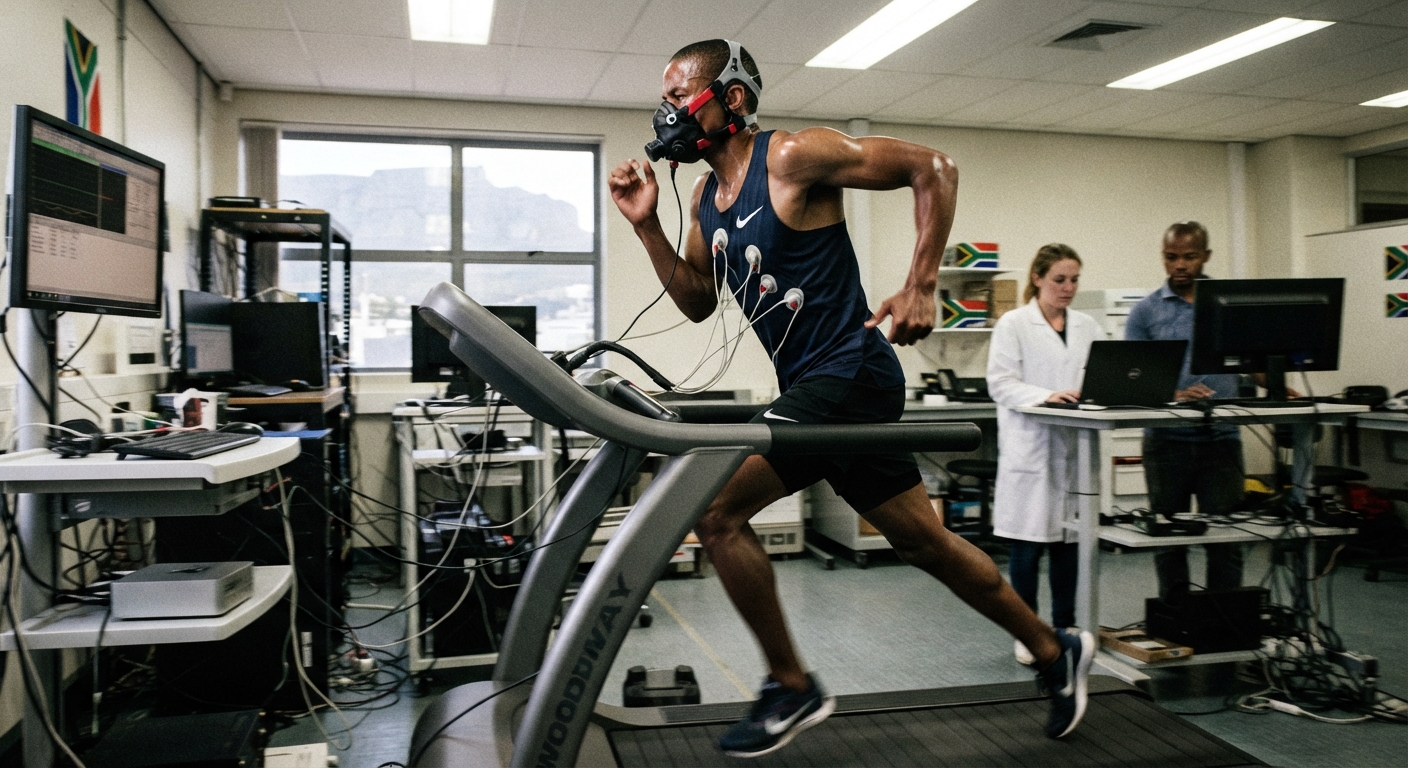
Forge Your Edge: Hypoxic Sprint Training Unlocks Next-Level Endurance
Discover how repeated-sprint training in hypoxia can elevate sprint endurance and performance. A game-changer for SA athletes, coaches & physios.
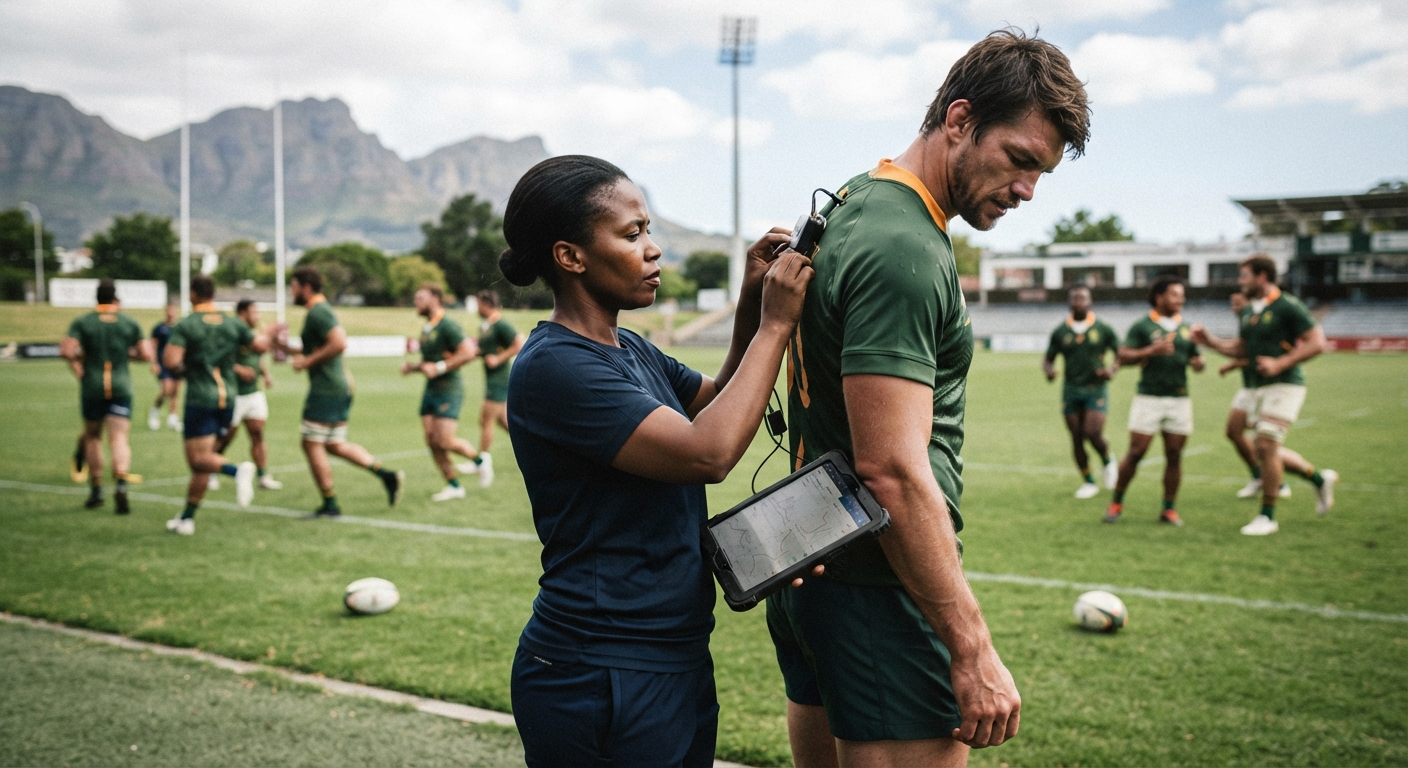
Igniting the Gees: The Science Behind Rugby's Visible Team Energy
Explore the science of visible team energy and its impact on performance in rugby. Learn how coaches cultivate cohesion and intent, and why it matters for…
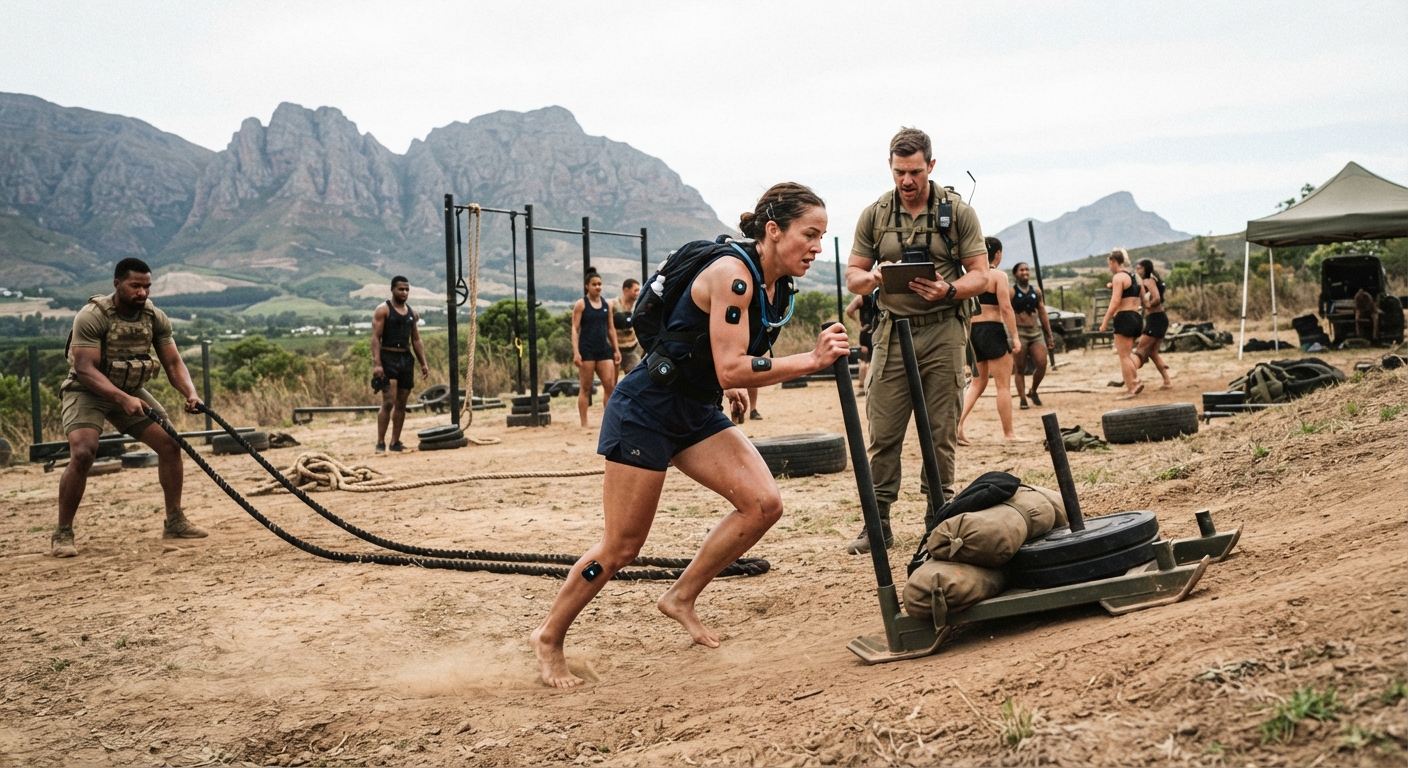
Rapid Readiness: Unlocking Elite Performance with Military-Inspired Conditioning
Explore the science behind military-grade fitness to supercharge strength and endurance in just 21 days. Insights for SA athletes, coaches, and physios.
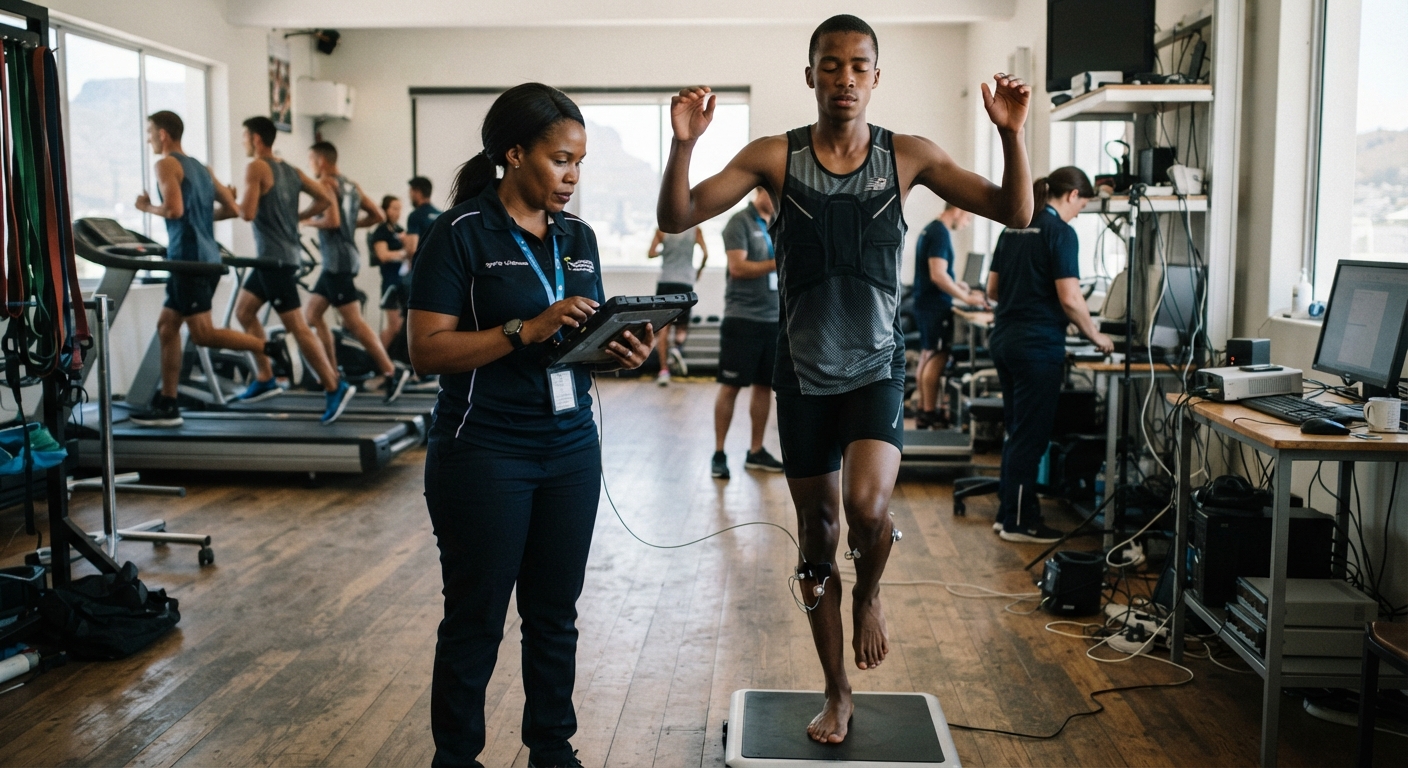
Core Truths: The Unsung Heroes of Elite Balance Aren't What You Think
New research reveals core endurance and trunk strength, not rotational power, are key to elite balance. Optimise your training for peak performance and injury…