
Forge Your Edge: Hypoxic Sprint Training Unlocks Next-Level Endurance
Discover how repeated-sprint training in hypoxia can elevate sprint endurance and performance. A game-changer for SA athletes, coaches & physios.
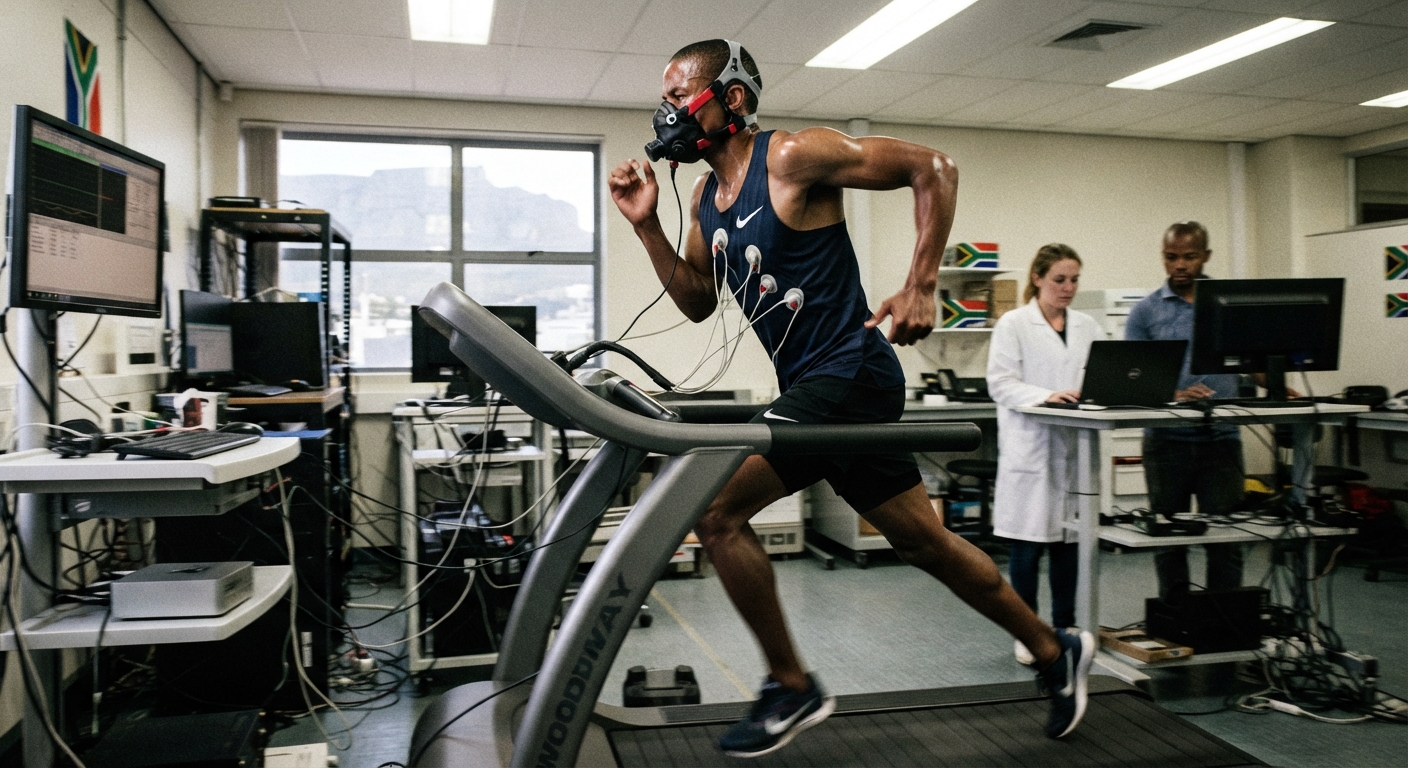
In the relentless pursuit of peak athletic performance, marginal gains often separate champions from the rest. A significant new meta-analysis is shining a spotlight on an advanced training methodology — Repeated-Sprint Training in Hypoxia (RSH) — suggesting it could be the key to dramatically enhancing athletes’ sprint endurance. For South African athletes, coaches, and sports practitioners, this represents a crucial scientific insight with tangible performance implications.
The Thin Air Advantage
Repeated-Sprint Training in Hypoxia combines high-intensity, short-duration sprint efforts with limited recovery periods, all performed in a low-oxygen (hypoxic) environment. This environment can be simulated using specialised chambers or masks, or naturally accessed at high altitudes. The premise is straightforward: by stressing the body’s oxygen transport and utilisation systems in a reduced oxygen setting, athletes adapt more profoundly than they would at sea level.
The meta-analysis, a robust review aggregating findings from multiple scientific studies, points to RSH as a potent stimulus for improving an athlete's ability to repeatedly perform sprints with minimal decrement. This means better recovery between successive bursts of maximal effort and a sustained power output throughout an entire game or event – a critical factor in sports like rugby, football, hockey, and track and field.
The Science of Sustained Power
Why does training in 'thin air' yield such benefits? The body responds to hypoxic stress by making physiological adaptations. These can include improved oxygen delivery to working muscles, enhanced buffering capacity to manage lactic acid build-up, and more efficient energy production pathways. These adaptations collectively translate into a greater capacity for high-intensity, intermittent work, allowing athletes to maintain speed and power deeper into competition.
While the concept of altitude training is not new, the specific application of repeated-sprint protocols in hypoxia is garnering particular attention. It targets the specific energy systems crucial for sports demanding rapid, explosive movements followed by short recovery periods, preparing the body to recover and perform optimally under significant physiological stress.
Implementation and Considerations
Integrating RSH into a training programme requires careful planning and expert supervision. It's not a 'one-size-fits-all' solution and needs to be tailored to an individual athlete's sport, current fitness level, and physiological response. Proper acclimatisation, progressive overload, and monitoring for signs of overtraining or adverse reactions are paramount. Coaches and physios should work closely to ensure safe and effective implementation, leveraging this advanced strategy for optimal results.
The South Africa Angle
For the South African sporting landscape, the findings on RSH are particularly pertinent. Our nation boasts a proud athletic heritage and athletes who compete at the highest global levels. Many of our national sports – from the explosive demands of the Springboks and Bafana Bafana to the relentless pace of our track and field stars and endurance cyclists – rely heavily on repeated-sprint ability and robust recovery.
South Africa also offers unique geographical advantages, with accessible natural high-altitude training environments (e.g., Dullstroom, Drakensberg foothills) that can be leveraged. For those without access to natural altitude, the increasing availability of simulated hypoxic facilities provides an alternative. By embracing evidence-based strategies like RSH, South African coaches and sports scientists can equip our athletes with a competitive edge, pushing the boundaries of what's possible and ensuring our talent performs optimally on the world stage.
This scientific advancement offers a tangible pathway for our sports community – from elite professionals to serious amateurs – to unlock superior sprint endurance and elevate overall performance, firmly embedding sports science at the core of athletic development in South Africa.
Source: Google News: endurance training science