
Core Truths: The Unsung Heroes of Elite Balance Aren't What You Think
New research reveals core endurance and trunk strength, not rotational power, are key to elite balance. Optimise your training for peak performance and injury p
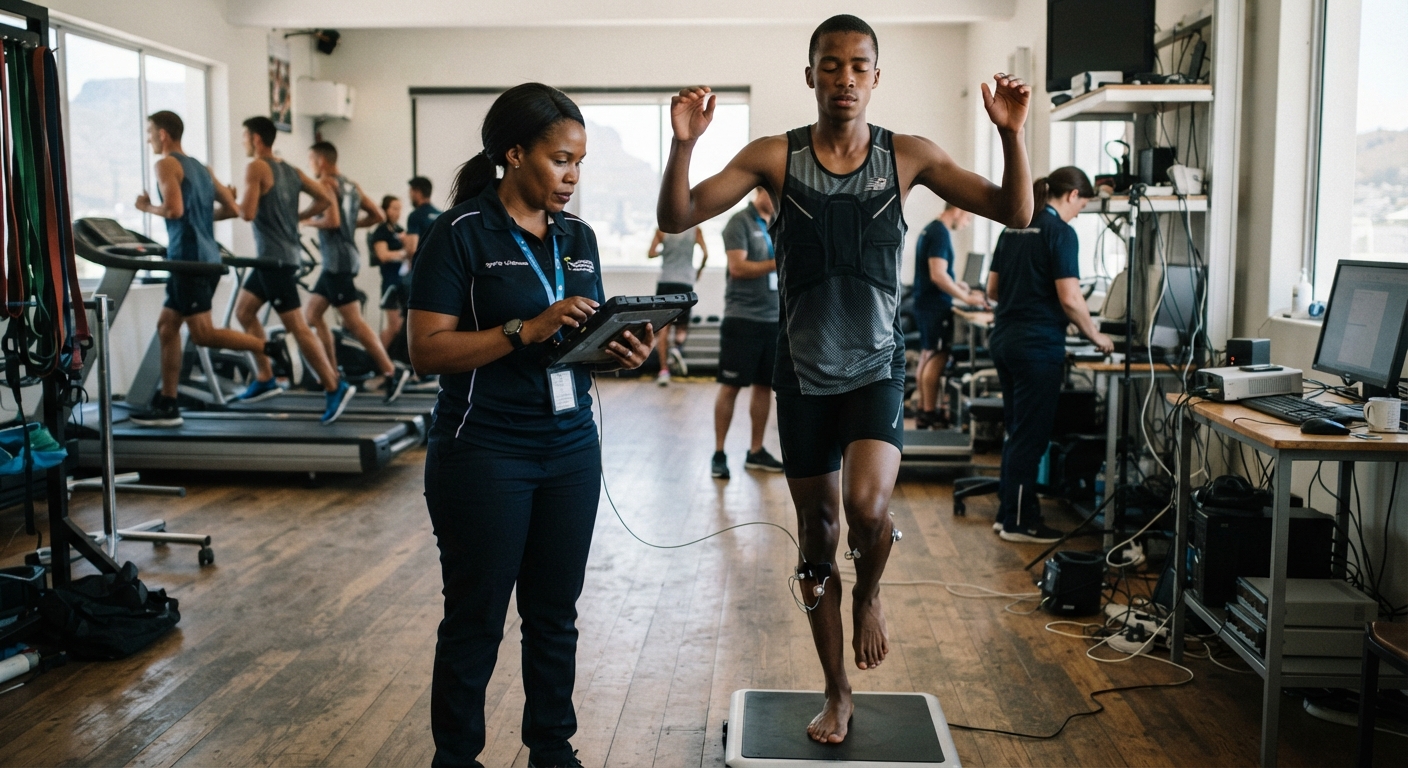
From explosive tackles on the rugby field to intricate footwork in wrestling, superior balance is a non-negotiable trait for elite athletes. This fundamental skill allows for agile movement, powerful execution, and crucial injury prevention. But what truly underpins this critical ability? New research is challenging conventional wisdom, revealing that the true architects of elite balance might not be the flashy, powerful rotations often prioritised in training.
Unpacking the Science of Stability
A recent study, focusing on elite wrestlers – athletes where dynamic balance is paramount – has shed light on this very question. Researchers investigated the relationship between various core capacities and balance skill. The surprising takeaway? Core endurance and overall trunk strength were strong indicators of an athlete's ability to maintain equilibrium. Intriguingly, rotational power – often lauded for its role in explosive movements like throwing or striking – showed no significant correlation with balance skill in tracking an athlete's balance prowess. This suggests a crucial distinction in how we perceive and train for stability.The Foundation of Movement: Why Endurance and Strength Win
Think of your core as the stable platform from which all limb movements originate. Core endurance allows this platform to remain solid and reactive over sustained periods, crucial during intense, unpredictable bouts of activity. Whether it's resisting an opponent's drive or maintaining form during a long trail run, the ability of your core muscles to work continuously prevents fatigue and loss of control. Trunk strength, encompassing the musculature that stabilises the spine and pelvis, provides the static and dynamic control needed to resist external forces and recover from perturbations. Without this robust foundation, efficient movement and effective balance become severely compromised. While rotational power is undeniably vital for generating force in specific athletic actions, it appears to be a separate motor quality from the nuanced, sustained control required for superior balance.Optimising Your Training Approach
For coaches, physios, and athletes alike, this research provides a clear directive: don't neglect the fundamentals. Instead of solely focusing on powerful rotational exercises in the pursuit of better balance, prioritise exercises that build sustained core stability and strength. Planks, side planks, anti-rotation presses, farmer's carries, and various forms of unstable surface training (when implemented safely and progressively) can be more effective for enhancing balance. This doesn't negate the importance of rotational power for sport-specific skills that require explosive rotation, but it reframes its role in the context of balance development, encouraging a more targeted and efficient training methodology.The South Africa Angle
South African sport, with its high-impact rugby, dynamic football, intricate netball, and demanding combat sports like wrestling and boxing, places immense pressure on athletes' balance and core stability. Injuries, particularly to the lower back and knees, are common in these disciplines. By understanding that core endurance and strength are pivotal for balance, SA physios and S&C coaches can implement more targeted, effective injury prevention and rehabilitation protocols. Athletes, from professional rugby players to serious trail runners, can gain a significant competitive edge and reduce injury risk by focusing their core work on sustained stability rather than just explosive twists. This insight ensures training resources are allocated efficiently, maximising performance gains across our diverse sporting landscape and fostering healthier, more resilient athletes.Source: Google News: endurance training science
More from Sports Science SA
sports_science8 Nov 2026
Forge Your Edge: Hypoxic Sprint Training Unlocks Next-Level Endurance
via Google News: endurance training science
3mRead →
sports_science8 Nov 2026
Igniting the Gees: The Science Behind Rugby's Visible Team Energy
via BBC Sport
3mRead →
sports_science8 Nov 2026
Rapid Readiness: Unlocking Elite Performance with Military-Inspired Conditioning
via Google News: strength conditioning training
3mRead →