
Tech Tackle: How Wearables Are Winning the War on Hamstring Injuries
Discover how advanced wearable technology is cutting hamstring injuries by 30% in professional rugby, offering a blueprint for all SA athletes.
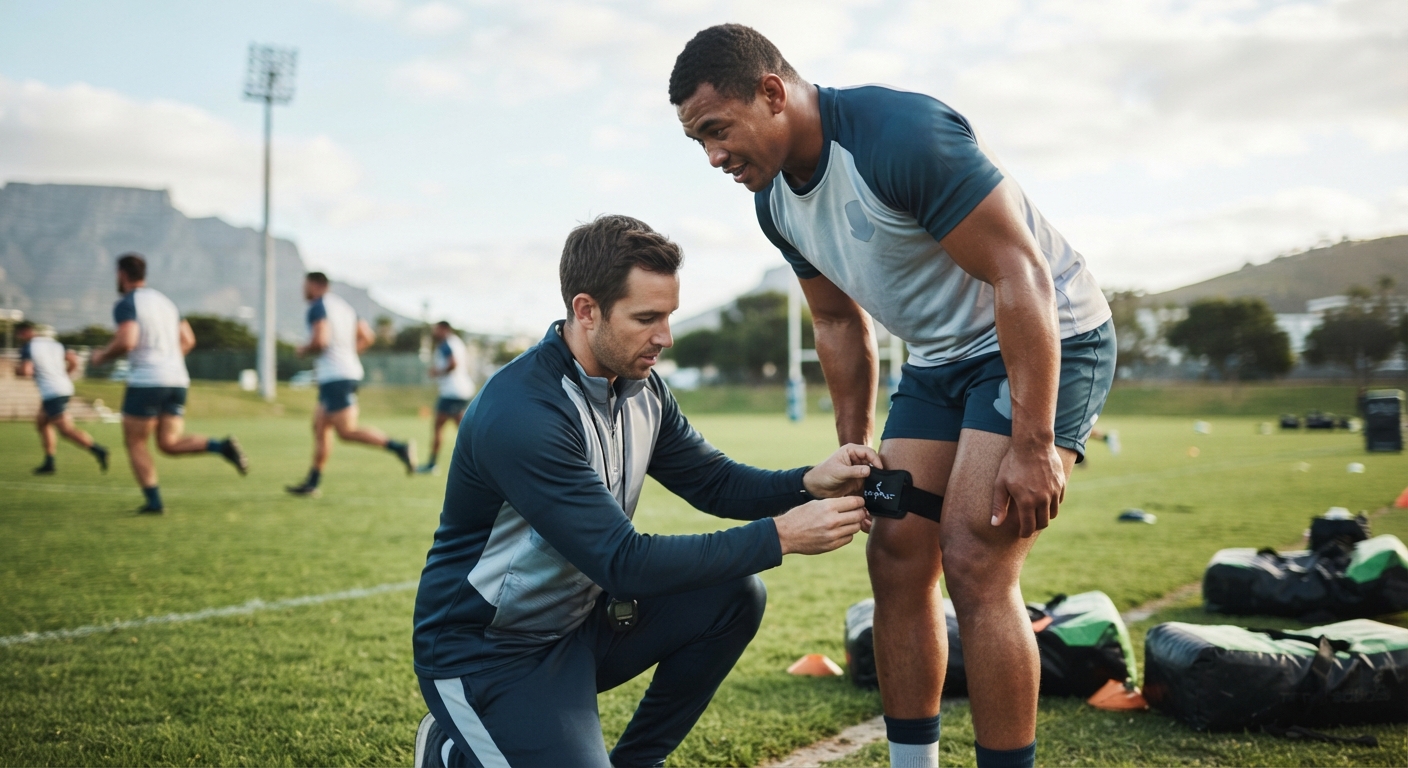
Hamstring strains are the bane of many athletes, notorious for sidelining players and disrupting seasons. In the high-impact world of professional rugby, these injuries are particularly prevalent, often leaving coaches scrambling and fans disappointed. But a new era of proactive injury prevention is dawning, driven by sophisticated wearable technology. Recent research highlights a significant breakthrough: integrated load monitoring systems are dramatically reducing hamstring injury rates, with professional rugby squads seeing a remarkable 30% cut.
This isn't just about counting steps or heart rate; it's about harnessing a wealth of physiological data to paint a comprehensive picture of an athlete's physical state. Wearable devices, often integrated into vests or smart clothing, track metrics like acceleration, deceleration, high-speed running distance, impacts, and even muscle activity. By continuously monitoring these parameters, sports scientists and coaching staff can gain unparalleled insights into the acute and chronic workload placed on an athlete.
The Science of Smarter Training
The magic lies in the ability to identify patterns and predict fatigue before it manifests as injury. Traditional training methodologies often rely on subjective feedback or generic protocols. However, with granular data from wearables, coaches can individualise training loads with precision. If an athlete's high-speed running distance has spiked dramatically in a single session, or if their deceleration load is consistently high without adequate recovery, these systems flag potential overload. This allows for immediate adjustments – a planned rest day, reduced intensity, or targeted recovery strategies – preventing the cumulative fatigue that often precedes a hamstring tear. The 30% reduction isn't merely coincidental; it reflects a paradigm shift from reactive treatment to proactive, data-driven prevention.Beyond the Band-Aid: Personalised Prevention
The impact of this technology extends beyond just reducing the number of injuries. It also aids in optimising performance. Athletes who are less prone to injury can train more consistently and effectively, leading to improved strength, speed, and endurance. Furthermore, the data provides invaluable feedback for rehabilitation protocols, ensuring a safe and progressive return to play, reducing the risk of re-injury – a common and frustrating setback for hamstring tears. This personalised approach ensures that each athlete is challenged to their optimal capacity without being pushed beyond their physiological limits.The Local Angle
For South African rugby players, coaches, physios, and even serious amateur athletes across all disciplines, these findings are incredibly pertinent. Our climate often demands rigorous training in challenging conditions, and the physicality of local sports, particularly rugby, places immense strain on athletes. Adopting wearable load monitoring isn't just a luxury for elite teams; it's a practical investment in athlete longevity and performance. Coaches of school teams, university squads, and provincial clubs can draw lessons from these professional insights. Understanding the principles of load management, even if full-scale professional systems aren't immediately accessible, can inform smarter training design and recovery strategies, fostering a culture of data-informed prevention that keeps our talented athletes on the field and performing at their peak.Source: Sports Tech